Listen to this post
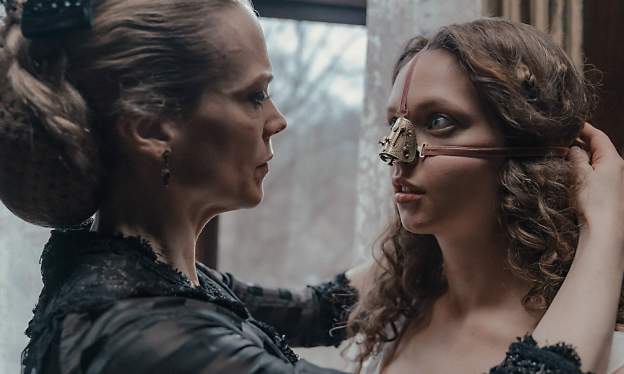
Two movies that, in my opinion, encapsulate one powerful aspect of our society in a masterful way: looks can get you far, but depending on them will destroy you—inside and out.
In a world increasingly bombarded by an overwhelming storm of video content—much of it led by anyone with a phone who steps into the debatable role of “influencer”—our independent will and decision-making capacity seem to be vanishing. This leaves a dangerous vacuum where ethically grounded, far-sighted, and morally sound role models are missing.

Obviously, these movies are much more than that. As with any work of cinema, each viewer interprets the story and characters differently.
Other themes stood out to me strongly: the comparison trap and the lack of contentment—even when one reaches personal goals. These were portrayed both implicitly and explicitly, reflecting the collective and individual psychosis we are experiencing today and the path toward oblivion we seem to be heading down.
Our capacity for monstrous actions is never pleasant to witness, nor something we enjoy indulging in for too long. Yet acknowledgment is always the first spoonful of medicine we must swallow to begin changing certain patterns, whether individually or collectively.
It’s true, though, that there’s a time for acknowledgment—and perhaps we’re not there yet. I see more and more people around me choosing to ignore these realities and retreat into their own personal La La La Lands. I say this in the least judgmental way possible. As beings deeply connected to what happens around us, unless we cultivate a degree of detachment, objectivity, and realism, examining our problematic self too closely can easily overwhelm us.
That’s why movies like The Substance and The Ugly Stepsister can be so powerful: they compel us to take a deep, unavoidable look at our collective insanity.
I realize I’m talking about these movies without really talking about them—but isn’t that often what happens after we leave the cinema? Whether we’re alone or in company, good films help us reflect on something deeper, and that reflection can linger for days, weeks, even months.
I usually sympathize with both the villains and the heroes in films—unless they’re mere propagandistic caricatures, created to implant prefabricated notions of good and evil.
One major takeaway for me comes from the character of Agnes, portrayed by Thea Sofie Loch Næss in The Ugly Stepsister.
Throughout the entire film, which spans several years, she resists her diabolically jealous stepsister Elvira’s (played by Lea Myren) attempts to undermine her beauty, intellect, maturity, and wisdom. Agnes knows who she is and stays true to her deepest values, no matter what.
And it doesn’t matter whether she ends up triumphant or not—what matters is that she remains connected to her identity, even as the world around her falls apart.
Elvira’s arc is equally powerful. It shows that no matter how far we’ve fallen, how deep we are in the hole, or what atrocities we’ve committed, there is always a way out. There is always a path to redemption—even when nobody believes we deserve it, and even when the consequences of our actions may follow us for the rest of our lives.
Again, it all starts from within: from putting our pieces back together and allowing ourselves to walk the path of self-forgiveness.


