Tag Archives: Growth

Progress and development in personal, professional, or emotional aspects of life.

#33 Do we remember with honesty?

Listen to this post

The shape of memory

As we advance through life and its various phases, we evolve into something entirely different from what we initially were. Without acknowledging that change, we often forget what we used to be like as children. It’s difficult, though, to look back at our past objectively—we tend to use those memories to justify who we are today, rather than seeing them simply as integral parts of our journey.

Personally, I fluctuate between different emotional states when thinking about my past. Some memories I enjoy indulging in; others, I’d rather forget. However, when I think about the child I used to be—rather than specific events—everything becomes softer, more comfortable. I don’t mind stepping into that skin again. I still find myself in that child’s essence—not in their behaviors, but in their core, which remains a familiar and safe place.

Chaos, imagination, belonging

Until I was about seven, growing up in the high-crime Salvador of the 90s with a single mom, I spent most of my time confined within our residential building.

Aside from sporadic visits to my cousins or my mom’s friends’ kids, my daily social life revolved around that building. With only three children, including me, it was hardly a playground. The other two were brothers, so I wasn’t really part of their dynamic. In other words, I didn’t have much of a social life outside of school, weekends, and holidays.

After doing my homework, I would go kick a ball against the wall in the building’s garage—an underground block of cement with no trees and only a sliver of sunlight for a few hours a day. I had no dreams of becoming a Bebeto or Romário like the other kids. Hitting the ball against the wall just helped me release some stress, I suppose. On the few occasions I left the building for groceries, I got robbed. Once, I was even assaulted at knifepoint and returned home shirtless, stripped of a brand-new baseball cap I had received for Christmas. It may sound traumatic, but back then, everyone I knew had a similar story—whether kids or adults. Robbery was a disturbingly normalized part of our society.

Despite the repetitive, limited, and at times dangerous routine, I remember being a happy kid. I was alone most of the time, but I didn’t mind. I don’t recall ever begging my mom to take me to see people—maybe I did, I’m not sure. What I do remember is asking to go see a movie, buy a comic book, a toy, or a new set of colored pencils. I was really good at entertaining myself with drawing and reading. I also had strange little habits that excited me beyond reason—like memorizing the names of the cars parked outside our gate, which I would stare at for hours from our window while waiting for my mom to return from work. I guess boredom forced me to invent ways to stay entertained.

Whenever I did meet my cousins, I tried to make the most of it—even if that meant doing unusual or dangerous things. I had a constant urge to compensate for the apathy of my day-to-day life. I frequently joined street fights, often ending up beaten, as I tended to challenge older, bigger kids to heighten the adrenaline rush I craved. I would jump off cliffs, swim in stormy oceans, explore abandoned caves and cemeteries, break into buildings or stores just to steal something random. When caught, I’d deny everything with the most bizarre, creative lies imaginable.

Daring and breaking the rules meant being alive. It was my way of affirming that I existed. That need was likely unconscious at the time, but I can’t justify it any other way now.

I have to admit—I loved inventing stories, even if it drove my mom mad. I was always around when crazy things happened, partly because I had a knack for being in the wrong place at the right time, and partly because I was always nosing into other people’s business to compensate for the dullness of my life. I collected wild anecdotes and shared them with others, but I couldn’t help spicing them up. I’d exaggerate just enough to make the stories unbelievable—but I’d tell them with such enthusiasm that people began to believe them.

Once, while playing my car-memorization game, I saw a car crash right in front of our building. It was bad. The woman in the back seat of one of the cars lost consciousness and never woke up. The driver stumbled out, blood covering his face, shouting random nonsense. When my mom got home, I told her a kid had been catapulted from the car (there were no children involved), and that the driver had lost an arm and was screaming in a foreign language.

It’s hard to explain how often bizarre things happened around me. My cousin once threw a rock at a beehive and nearly died from the stings. I saw a girl drown in a stormy ocean. A friend broke his jaw and lost most of his teeth in a skating accident. I saw a gang fight. A gang member once let us hold his gun. And so on. Eventually, I began normalizing—and even seeking out—chaotic experiences. It’s no surprise my favorite movie genre was horror, which, I’m sure, made my mom question my mental health from time to time, though she often found it funny.

A different reality

What I sometimes observe is that my childhood gave me a constant state of alertness that still follows me, even after being “Europeanised”—used to a much less abnormal routine. I still double-check dark corners before walking through them, take wide turns, and instinctively keep my distance when a stranger approaches out of nowhere. The sound of fireworks? My first thought is gunfire.

By the time we moved to Italy, my childhood had already taken some wild twists. I had spent a year and a half living with my aunt and uncle, and their building was a treasure trove of experiences—a wonderland of children hungry for adventure. I bonded with them and collected a new set of PG-13, not-so-recommendable experiences. When I arrived in Italy, I was reactive, restless, troublemaking, and unreliable. My background didn’t match European standards—especially not those of the small town I ended up in. The integration process, both inside and outside my family, was difficult. I’ve talked about this in previous posts, and the re-education process was anything but easy. But that’s a story to dive in again another time.

There are parts of ourselves we hide to fit into the world. That’s a pity. When we’re in touch with who we really are, we know what we want and how to live in alignment with our core. Otherwise, we end up living someone else’s life. And that makes a huge difference. We are all a mixture of light and darkness, good and evil, boredom and excitement—whatever those words evoke in us. We do need to coexist with others, but before that, we need to exist in peace with ourselves and accept who we truly are.
#29 Uma breve distinção: ambição construtiva e ambição destrutiva

Eu tento sempre pensar em qual será o próximo passo importante que darei na minha vida. E com “passo importante”, quero dizer algo que me fará avançar como indivíduo. No entanto, às vezes me questiono se essa mentalidade não pode acabar complicando nossa vida, em vez de melhorá-la.

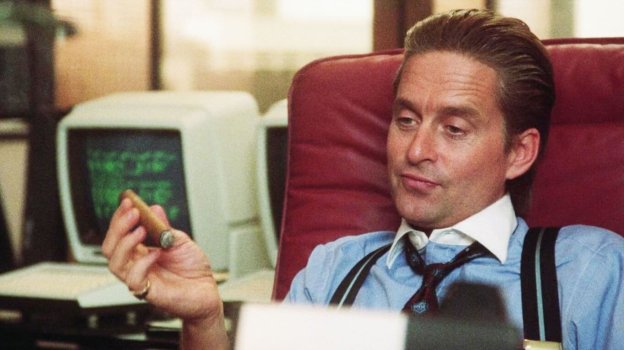
Ouso fazer uma distinção entre ambição construtiva e ambição destrutiva. E, ao usar “destrutiva”, não o faço de maneira leviana. Pelo contrário, acredito que uma ambição mal direcionada pode nos levar à perda da saúde, tanto física quanto mental. E não apenas a nossa própria saúde, mas também a das pessoas ao nosso redor. Um exemplo claro disso é a figura de Gordon Gekko, do filme Wall Street dos anos 80, cuja filosofia “ganância é boa” (“greed is good”) reflete perfeitamente os perigos da ambição destrutiva.

O drama dessa questão é que quem é um vetor da ambição destrutiva, na maioria das vezes (e digo isso com base apenas na minha observação pessoal, sem qualquer fundamento em pesquisa científica), não tem consciência disso. Ou, então, foi tão corrompido por essa ambição que já não há mais volta.

Por outro lado, quem manifesta ambição construtiva tem um poder incrível: sua energia parece fluir sem esforço e iluminar muito além de si mesmo. Acredito que essa ambição surja da aceitação de que a vida é feita de ciclos, mais ou menos semelhantes, mas sempre desconhecidos. Podemos imaginar o amanhã, mas nunca saberemos exatamente como ele se desenvolverá. E não saber o que nos espera, não ter controle absoluto, não é algo ruim. Pelo contrário, aprender a se entregar ao desconhecido nos ensina a aceitar o fluxo natural da vida.

Já a ambição destrutiva parece estar enraizada no desejo de controle. E esse desejo, por sua vez, nasce do medo de perdê-lo. Por isso, essa forma de ambição tem um poder corrompedor: tudo aquilo que não sabemos deixar ir tem o poder de corromper nossa alma.

#25 Coerenza interiore e cambiamenti personali tra verità e onestà

Onestà: La qualità interiore di chi si comporta con lealtà, rettitudine e sincerità, in base a principi morali ritenuti universalmente validi.

Verità: Carattere di ciò che è vero, conformità o coerenza a principi dati o a una realtà obiettiva.

Vocabolario Treccani

Queste definizioni, prese dal vocabolario e lette al volo nel contesto in cui viviamo oggi, mi fanno pensare a una vecchia cornice impolverata appesa al muro di una casa abbandonata chissà dove. Devo dire che molte altre parole che incarnano ideali morali hanno su di me lo stesso effetto malinconico, se considerate in relazione alla realtà che ci circonda. Eppure, continuo a cercarle dentro di me, a perdermi in un mondo che oscilla tra il complesso e il superficiale, spesso confondendomi.

L’onestà, come valore, l’ho sempre distinta dalla verità come concetto, almeno inconsciamente – o almeno credo. Tuttavia, quando mi trovo coinvolto in dinamiche complesse, sia sentimentali che professionali, a volte utilizzo questi due termini in modo intercambiabile, confondendo i loro significati. Ma questa confusione, tutto sommato, la considero positiva perché mi spinge a riflettere più attentamente su entrambi. Non mi interessa tanto esplorare il loro significato o l’etimologia – non avrei le competenze necessarie, non essendo né linguista, né antropologo, né ricercatore. Piuttosto, mi interrogo su ciò che rappresentano per me.

Istintivamente direi che verità e onestà hanno per me un valore quasi assoluto, guidandomi in ogni decisione, azione o interazione quotidiana. Ma affermarlo sarebbe una bugia. Essere onesto, dire la verità e comportarmi in modo autentico è un’impresa che spesso mi sovrasta. Per me, infatti, l’onestà non si limita a dire la verità a qualcuno, ma implica agire in linea con i miei valori, come suggerisce la definizione riportata all’inizio di questo articolo. Se riesco ad agire in linea con i miei principi morali, allora la questione superficiale del “dire la verità” nemmeno si pone, perché ogni azione sarebbe allineata con il mio autentico io, con l’immagine che ho di me stesso.

Ed è qui che mi trovo in un’impasse: l’immagine che ho di me potrebbe non corrispondere alla verità. Eppure, quella stessa immagine, nel tempo, potrebbe guidarmi verso la verità. Ma anche se, in un dato momento, essa fosse effettivamente in linea con il mio autentico io e con i principi morali che ho scelto come base della mia identità, questo stato non sarebbe altro che temporaneo. Io mi percepisco in continua evoluzione, in costante cambiamento, accompagnando un mondo che viaggia a una velocità incredibile – o forse sono io quello lento… chi lo sa. Che il mondo sia veloce o io lento, alla fine non importa.

Io non credo – nel senso di credere devotamente o indiscutibilmente a qualcosa. Questo mio continuo evolvermi ha consolidato un approccio critico e curioso, che mette in discussione tutto.

La morte, ad esempio, non mi spaventa. Invecchiare non mi infastidisce. Perdere i capelli non mi rende paranoico. La solitudine, cambiare amicizie, ricominciare in una nuova città, traslocare in un altro paese, lasciare tutto per un nuovo inizio: sono cose che ho fatto ripetutamente nella mia vita, a volte per circostanze esterne, altre per decisioni personali.

Nonostante questi cambiamenti continui, i miei principi morali guida sono rimasti più o meno gli stessi. A volte mi hanno guidato con maggiore forza, altre con meno. Ed è strano: mentre scrivo, mi viene in mente un altro concetto, quello di fede. Solo nominarlo sembra contraddire tutto ciò che ho detto prima sul fatto che io non credo.

Ma benché le mie riflessioni su questo e mi molti altri temi mi portino spesso contraddizioni o riflessioni inconcludenti, trovo conforto nella complessità e nell’evoluzione costante del mio rapporto con la verità e l’onestà.

#22 My forgotten Happy Thoughts

Toodles: [Searching for something on the floor] Lost, lost, lost.
Peter Banning: Lost what?
Toodles: I’ve lost my marbles.

With this short dialogue, we were introduced to Toodles in Hook, the amazing Peter Pan movie from the ’90s starring Robin Williams. The way I understood it, the marbles mentioned in the dialogue were a metaphor for Peter Pan’s happy thoughts—something he had literally lost, growing up into an insensitive workaholic adult named Peter Banning. Later in the movie, he finds them again (both Toodles’ marbles and his own happy thoughts) after an amazing adventure in Neverland to rescue his children from the clutches of Captain Hook, who had kidnapped them.

On a separate and unrelated subject, a few days ago was the birthday of one of the most important people I’ve met in my entire life: my uncle Beto. During my childhood, Uncle Beto was like a father to me—the best one anyone could wish for.

He made me laugh and taught me amazing things, like putting glass on my kite strings to win kite battles against other very competitive kids. He allowed me to express myself: smile, laugh, make silly jokes, and ask a thousand times the same question—he would actually play along. He never dismissed me and always explained things in a way that sparked curiosity, even when I had no idea what he was talking about.

I could spend an entire day listing the reasons why he played an immense role in my life and the person I’ve become. Despite this, he never sought recognition or validation. Life eventually pulled us apart for reasons too long to explain, but hardly a day goes by without me thinking of him as one of the heroes of my childhood.

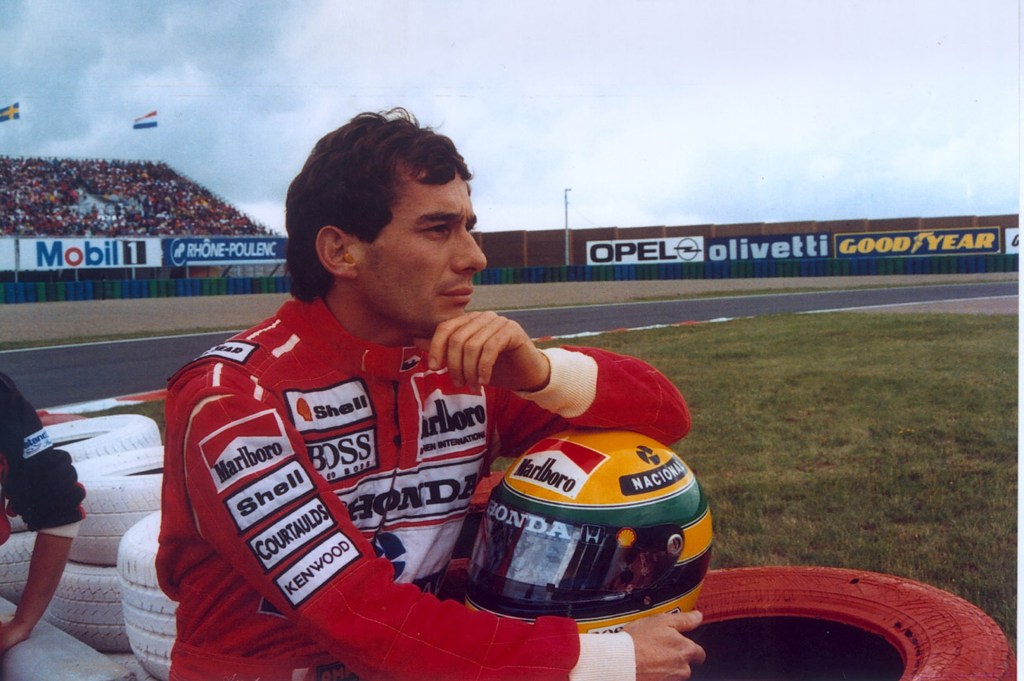
On another unrelated topic, last year (2024) marked the 30th anniversary of Ayrton Senna’s death. “Ayrton Senna from Brazil,” as the famous Brazilian commentator Galvão Bueno used to call him enthusiastically while narrating Senna’s Formula 1 performance, which kept all of Brazil glued to their TVs. Senna also influenced me greatly with the values he embodied: tenacity in the face of immense challenges, generosity and passion among many.

Now, here is where these seemingly unrelated topics come together.
The other day, after greeting my uncle for his birthday, I told him I had watched the Senna miniseries on Netflix. It reminded me of when we used to go to his parents’ house for the weekend and ended the day watching Formula 1 Grand Prix races, rooting for Senna.

He replied with a beautiful message that made me very emotional. He said he had also watched the series and that it reminded him of me. He recalled some episodes from when I was a kid—like how, while driving with me in the backseat about to fall asleep, he would say, “Look, there’s Senna out there!” and I’d wake up immediately, looking for Senna outside the window. I couldn’t remember that memory before he mentioned it, but it was so precious to me because I loved hearing my uncle’s laugh—always full of joy and childlike energy, despite his ability to make us all feel safe and protected.

Then, he reminded me of the day Senna died. It was one of the saddest days in Brazil’s recent history. As crazy as it may sound, you’d have to have been there in Brazil during those years to truly understand. My uncle told me that after learning the news, he came to check on me. We were going to his parents’ house that day, but when he found me, I already knew. We cried together in the elevator while getting ready. Now I remember that moment, though I didn’t before he brought it up. There are many moments of my childhood that I don’t remember—many happy ones.

I’m left with a question: Have I gone from Peter Pan to Peter Banning? Have I become an insensitive workaholic adult who’s lost his marbles and happy thoughts? Maybe, or maybe not. Perhaps Hook will come for me and take me back to Neverland. No! As usual, I’ll need to do the hard work of digging, understanding, and integrating to get there.  But once again, thanks to my uncle, Senna and Peter Pan, I’ve learned something important: it’s never too late to rediscover the joy and wonder we once held close.
Whether through reconnecting with loved ones, revisiting cherished memories, or embracing the values of our heroes, we have the power to reclaim our marbles and rediscover our happy thoughts.

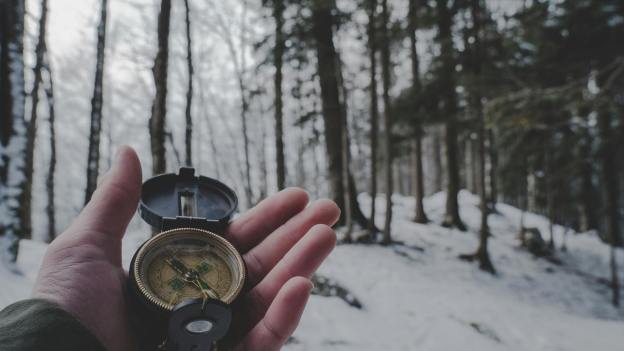
#18 A compass for the year ahead that works

I initially wanted to write yet another 2024 wrap-up, which would have most likely turned into a me-me-me redundant post filled with complaints about my “almosts” and “not yets” from the past year. Instead, I prefer to share something that brought clarity to previous years and became a reliable tool for a hopeful start to each new year.

Nowadays, we receive end-of-year wrap-ups and new year’s resolutions updates from almost every app on our phones. This barrage can make reflecting on recent experiences and planning ahead feel overwhelming. However, cutting through the noise to find a tool that truly works for us can transform these reflections into powerful and inspiring activities.

For the last four years, my go-to tool has been a booklet called Year Compass (which you can download entirely free here).

I was first introduced to it by my ex-girlfriend. We began filling out our respective booklets together at her parents’ chalet-style home in Brussels, sitting in front of a rattling fireplace as snowflakes fell like tiny meteorites, driven by a strong and gelid wind. Despite this picturesque, almost dreamlike setting, my first experience was painful. It took me at least three hours to complete the entire Year Compass, as it required deep reflection across all the major spheres of life.

Each year, though, the process became easier, and its effectiveness grew to the point where I can’t imagine starting a new year without it.

So, for anyone seeking a way to process their experiences, integrate the past year with a sense of accomplishment and closure, and face 2025 with renewed hope and confidence, I highly recommend filling out this amazing and completely free tool. You can download it easily, and it’s best to complete it before the new year begins—or at the latest, within the first two weeks of January.

#15 When stoicism turns sour – Part 1

The way I understand it, the Stoic approach teaches us to accept whatever comes our way with calmness, without compromising our values. And I think it’s a valuable way to see things. However, over time, I realized that this philosophy led me to focus more on the negative possibilities lying ahead rather than the positive ones. I started to picture worst-case scenarios to prepare myself to accept them beforehand. I kind of twisted Stoicism to my own disadvantage—DIY philosophy gone wrong, ouch!

Focusing on the gloomy side of things eventually drained me, and I didn’t even realize what I was doing until I pushed it too far. At first, I would comment on discussions, expressing mainly opinions on what could go wrong. When someone called me out for being pessimistic, I would correct them, insisting I was just being “realistic.”

But this mindset snowballed. I began developing irrational fears about even the smallest things. I became extremely controlling—of myself, my habits, my activities, the situations I put myself in, and the people I met. I built a pattern of suspicion toward literally everything, and over time, it became more and more ingrained in my system.

What’s fascinating to notice, though, is that at the same time this mindset was evolving, I became more organized and productive than ever—but with a cynical and detached attitude toward others. Strangely enough, in terms of my career, this period marked the most significant advancements. I felt a bit like one of those high-ranking professionals or “psychopathic CEOs” living in a bubble of strategic thinking, productivity, and metrics-driven values.

But this way of thinking wasn’t sustainable, at least not for me. I’ve always been a sensitive person, deeply connected to and attentive toward the people around me. This mindset was kilometers away from my core.

Worse yet, I lacked the self-compassion to understand where all of this was originating from. My default relationship with myself was rooted in self-criticism and intolerance. I couldn’t stand myself anymore. Things got even worse: I slowly became paranoid. I lost my courage and, to a certain extent, my curiosity to go out, discover new things, and meet new people.

It took me a while to realize these patterns, but when I did, thankfully, I understood I needed to hit the reset button. I had to start working on myself and make the necessary adjustments, whatever that meant.

I needed to heal. And for the person I was back then—diffident, suspicious, and pessimistic—that was a journey I could only embark on alone.

The first step I took was…

To be continued.