Tag Archives: Expat

Experiences, challenges, and perspectives of living, working, or adapting to life in a foreign country.

#28 Le sfide del processo d’integrazione tra ammirazione e invidia

Una premessa un po’ personale

Fino a qualche anno fa, il modo in cui venivo percepito dagli altri aveva un grande impatto su di me. Mi piaceva soprattutto ispirare ammirazione piuttosto che invidia. Questa aspirazione mi induceva inconsciamente a voler compiacere o impressionare le persone intorno a me, facendo molta attenzione a non risultare arrogante o inautentico. Poi ho iniziato a comprendere le radici del mio bisogno di apprezzamento e, più ne investigavo le origini, meno potente esso diventava.
Quando, all’età di nove anni, mi trasferii in Italia con mia madre, dovetti ricominciare la mia vita da capo. Non solo dal punto di vista educativo e culturale, ma anche nell’inserirmi in una nuova famiglia e farmi nuovi amici. Non si trattava solo di abituarsi a una nuova realtà, ma di accettarla incondizionatamente, poiché, ovviamente, all’età di nove anni, non avevo ancora il potere di decidere se restare o andarmene. L’accettazione, però, non è automatica; anzi, ci sono vari livelli da attraversare per diventare prima consapevoli e poi capire cosa si vuole davvero. Abituarmi, invece, quello dovevo farlo in fretta, ma il mio processo d’integrazione non fu affatto semplice (quando mai lo è?, verrebbe da chiedersi), e gli adulti che avrebbero dovuto guidarmi non furono pazienti.
Trent’anni fa non c’era la consapevolezza, la ricerca e i dibattiti su questo tema come oggi.
A scuola mi misero in una classe indietro senza un programma specifico per il mio caso. Procedemmo tutti un po’ alla cieca: io cercavo di assorbire il più velocemente possibile, ma il processo mi sfiniva periodicamente.
In seguito, dovetti ripetere il primo anno di scuole superiori, perché i miei genitori avevano deciso per me che dovevo frequentare il liceo scientifico. Io, invece, ero ben consapevole delle mie capacità e dei miei limiti e sapevo, già da anni, che il percorso linguistico era quello giusto per me in quella fase della mia vita. Alla fine, al linguistico ci andai, e le cose migliorarono.
Dovetti investire anni per colmare il divario con i miei coetanei, ma non smisi mai di credere in me stesso, anche quando nessuno lo faceva; persino quando i miei stessi genitori sembravano aver perso le speranze e non facevano altro che punirmi in tutti i modi possibili, senza nascondere la delusione che provavano. Devo riconoscere, però, che anche loro si trovavano di fronte a una situazione difficile, senza l’aiuto di psicologi, podcast su temi di crescita personale, libri di self-help e tutte quelle risorse che oggi ci permettono di capire meglio noi stessi e il mondo in cui viviamo.

Superare insicurezze: il valore dei piccoli successi

Faccio un salto in avanti, lasciandomi alle spalle questa premessa forse troppo personale e disorganizzata.
Alla fine, sono riuscito a camminare con le mie gambe, in un paese e un continente diversi, nonostante tutte le difficoltà, il mio passato abbandonato, la famiglia lasciata alle spalle e i sogni mai realizzati in quella vita che avrebbe potuto essere, per vivere in quella che è diventata.
Per me fu uno sforzo mastodontico, di cui non prendo coscienza abbastanza spesso. D’altronde, se non siamo noi stessi a riconoscere i nostri sforzi, difficilmente lo faranno gli altri: o lo danno per scontato, o fanno finta di niente.
A un certo punto, le difficoltà sembrarono diminuire e iniziai ad avere successo nelle imprese che intraprendevo, prima in modo modesto, poi un po’ meno.
Apro una parentesi: è davvero strano scrivere di me stesso su questi temi, sapendo che altri potranno leggere. Non sono nemmeno sicuro di star dicendo tutta la verità. Finora, mi sembra di essermi solo vittimizzato.
Comunque, fu in questo momento, dopo aver superato gli ostacoli più grandi del mio processo di integrazione e aver ottenuto piccoli successi personali, che iniziai a suscitare negli altri ammirazione o invidia, o entrambe.
Capivo benissimo entrambe le emozioni. Da bambino, al mio arrivo in Italia, ero consumato da una silenziosa ma profonda invidia per i miei compagni di classe che si esprimevano in modo fluente, leggevano senza difficoltà e capivano al volo concetti complessi. Al contrario, provavo ammirazione per chi dimostrava onestà, affetto e pazienza nei miei confronti: per me, era una dimostrazione di grandezza smisurata. E furono in pochissimi a dimostrarmelo: penso a Walter, il mio allenatore di canottaggio a Monterosso; Manuel, il mio amico pittore che amavo osservare dipingere; Adriano e Corrado, compagni di barca e amici; Andrea, un genio del liceo, che non ha mai usato la sua intelligenza per sminuirmi, al contrario di molti altri; Mike, un mio amico imprenditore, che si ritagliava un po’ di tempo la mattina prestissimo per insegnarmi a surfare.
Nonostante l’empatia che provavo per coloro che vivevano queste emozioni, inizialmente mi trovavo a mio agio solo nell’essere ammirato; l’invidia degli altri mi disturbava profondamente, la trovavo addirittura pericolosa, come un male che si insidiava nella mia vita e che volevo assolutamente tenere lontano. Col tempo, però, ho imparato ad accettarla, anche quando proveniva da persone a me vicine. Anzi, spesso sono proprio queste ultime a provarla: vorremmo che le persone che amiamo gioissero dei nostri successi, invece alcune tendono a sminuirci, cercando di demotivarci o addirittura sabotarci. Ma credo che aspettarsi ammirazione sincera da tutti sia ingenuo: sia l’adorazione smisurata sia l’invidia distruttiva hanno la stessa origine, l’insicurezza di chi le prova. E il miglior modo di reagire all’insicurezza che si prova, a mio avviso, è:
1. Capire il prima possibile come migliorarsi – A piccoli passi, giorno dopo giorno, senza lasciarsi sopraffare da sfide titaniche che potrebbero riportarci nell’insicurezza.
2. Smettere subito di paragonarsi agli altri – Il motivo, spero, sia ovvio.

Cosa fare quando riceviamo invidia o ammirazione?

Generalizzando, in modo non del tutto corretto ai fini di concludere questo post, gli invidiosi esprimono la loro ammirazione dicendo il contrario di ciò che pensano. Spesso cercano di screditare i successi altrui, ridimensionandoli a semplici casualità. Gli ammiratori, invece, ci stanno accanto finché non hanno assorbito tutto ciò che abbiamo da offrire.
Imparare a riconoscere questi atteggiamenti e a non lasciarsi condizionare è estremamente importante. Evitare gli invidiosi e gli ammiratori è impossibile, perché tutti, in misura diversa, proviamo invidia o ammirazione. Ciò che conta è sviluppare empatia, riconoscere questi sentimenti in noi e negli altri e, se possibile, trasformarli in qualcosa di costruttivo.

#20 Globalist jackal: is there such a thing?

In the last few decades, thanks especially to the internet and a more globalized world, a segment of Earth’s citizens has progressively benefited from a borderless reality, allowing them to move and establish themselves almost anywhere they desire — a trend exacerbated following the COVID pandemic.

The reasons for such a choice are many, depending on the profession one exercises, a search for better living conditions, a drive to live differently according to rules and cultural norms that better resonate with them, and so forth. This practice has given rise to enticing titles that the privileged among us proudly embrace: globe trotters, digital nomads, expats, remote workers.

In many cases, though, this decision to move somewhere else has been driven by a simple impulse to explore a different corner of the world for a short period of time, only to then move on to another, making this some sort of appealing practice. There are many documentaries available online of influencers, for example, going somewhere like India only to criticize the way other cultures live and leave with a pros and cons list to share with their audience, disregarding the long-term consequences of their actions.

Lately, I have been reflecting on whether this last category of professionals who wander around the globe deserves a more specific title with a connotation that fits this type of mindset.

Today, we are more aware that the privilege of some comes at the expense of others, often decreasing the quality of life for local communities. Perhaps we’ve always known this, but we are now more mature and collectively prepared to take responsibility for our actions. Despite this, no term has been coined to properly define this category of nomads. This has led me to question whether a more nuanced vocabulary might better highlight the less glamorous consequences of some people who take advantage of global professional mobility. One term I’ve been pondering is globalist jackals.

The existing terms are usually associated with the appealing aspects of global mobility: cultural depth fostered by living in different parts of the world; the boost to economies through spending power and new businesses in areas with lower living costs; the flexibility of work environments; and inclusivity. These and many other aspects have served as catalysts for global change and innovation.

Unfortunately, there is another side to the coin.

What I would call globalist jackals, in particular, drive up living costs in the areas where they relocate. Their demand for short-term rentals reduces housing availability for residents. They displace communities, contributing to over-tourism, disrupting local cultures, and eroding traditional ways of life, leaving some communities feeling exploited or undervalued.

Moreover, individuals benefiting from global mobility who genuinely wish to integrate and adapt to local customs may face misjudgment or unjust accusations, being lumped together with those who move on to their next destination without meaningful interaction or pondering their choices with reasons beyond the drive to “discover the world.”

Legal gray areas are created and exploited by individuals with selfish intentions, with little to no regard for local community needs. For example, it’s known that governments struggle to tax digital nomads who earn abroad while utilizing local resources, even though this varies greatly by country and specific tax treaties.

It has also been reported that what I would define as globalist jackals exacerbate inequalities, widening the gap between those with access to technology, education, and global mobility versus those without.

While there are many other factors that could justify coining the term globalist jackals, it’s crucial to recognize the dangers of using such pejorative terms indiscriminately. Doing so risks fueling discriminatory and even racist narratives.

The debate around the terminology we use to describe global professionals underscores the need for accountability and awareness in a world where profiting from mobility by choice, and not by survival-oriented need or duty, is both a privilege and a responsibility. As global citizens, we must understand what impact our ambitions have on others, acknowledging that consequences may take time to arise and often unfold in unpredictable ways.

This is a speculative and reductive take on a much broader and more complex topic, one that has been researched and discussed in much greater depth. So, please take my perspective with a grain of salt. I am curious to hear your thoughts. Have you previously reflected on this topic, specifically the glamorous terminology used to define this trend? Does the term globalist jackal make sense? What other terms would you suggest for discussing this phenomenon?

#4 A job market transformation – Part 1

(Average Reading Time: 4 minutes)

If I’ve understood the data published by the German employment agency this month correctly, things on the job market here in Germany are getting worse and likely won’t improve in the near future. I can only hope that the EU’s forecast for next year holds true and that 2025 will bring us not just the federal elections but brighter news on this front as well.

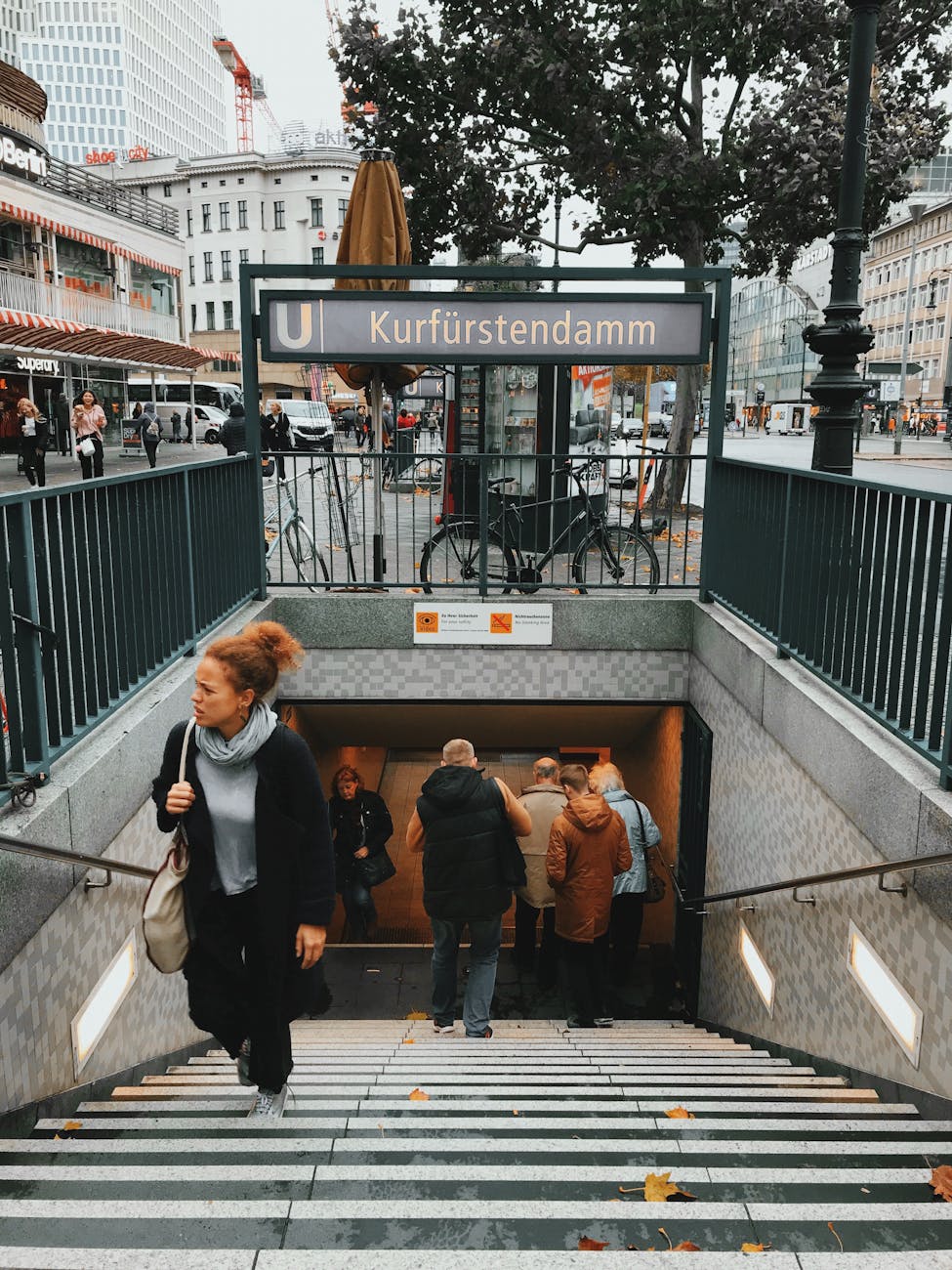
Five years ago, when I moved to Berlin, just before COVID hit, the job market was thriving. Before that, I had spent four years living in Barcelona, where salaries were so low that even while working for a prestigious companies, I struggled to make ends meet—and I was living by minimalist principles!

So when my ex decided to move to the former European startup heaven (yes, Berlin), I didn’t think twice about following. Sure, I was in love and ready to follow her anywhere, but Berlin had its own pull. It was not just the obvious reasons—its reputation as a hub for social progress, its cosmopolitan openness, its rich cultural life, its spectacular history, and its proximity to stunning nature. I also had a personal goal: to face the German language once again. I had studied it for a few hours a week in high school but retained almost nothing—and was soon reminded why!

When I first arrived, I think I applied for maybe three jobs, got one callback, went through the interview process, and landed the position. Easy peasy.

While employed, I regularly received messages on LinkedIn from recruiters eager to bring me to their teams. Everything was buzzing, and it felt like all doors were open. They called it an “candidate-driven market,” a sharp contrast to today’s “employer-driven” one.

Back then, the number of English-speaking jobs was staggering, to say the least. It felt like I was living in a bubble where speaking German was barely necessary for daily life.

But things have changed dramatically, and it all happened so fast. For expats, especially those like me who were laid off, it’s been a harsh reality check—a bitter pill to swallow.

Continue reading Part 2 >>