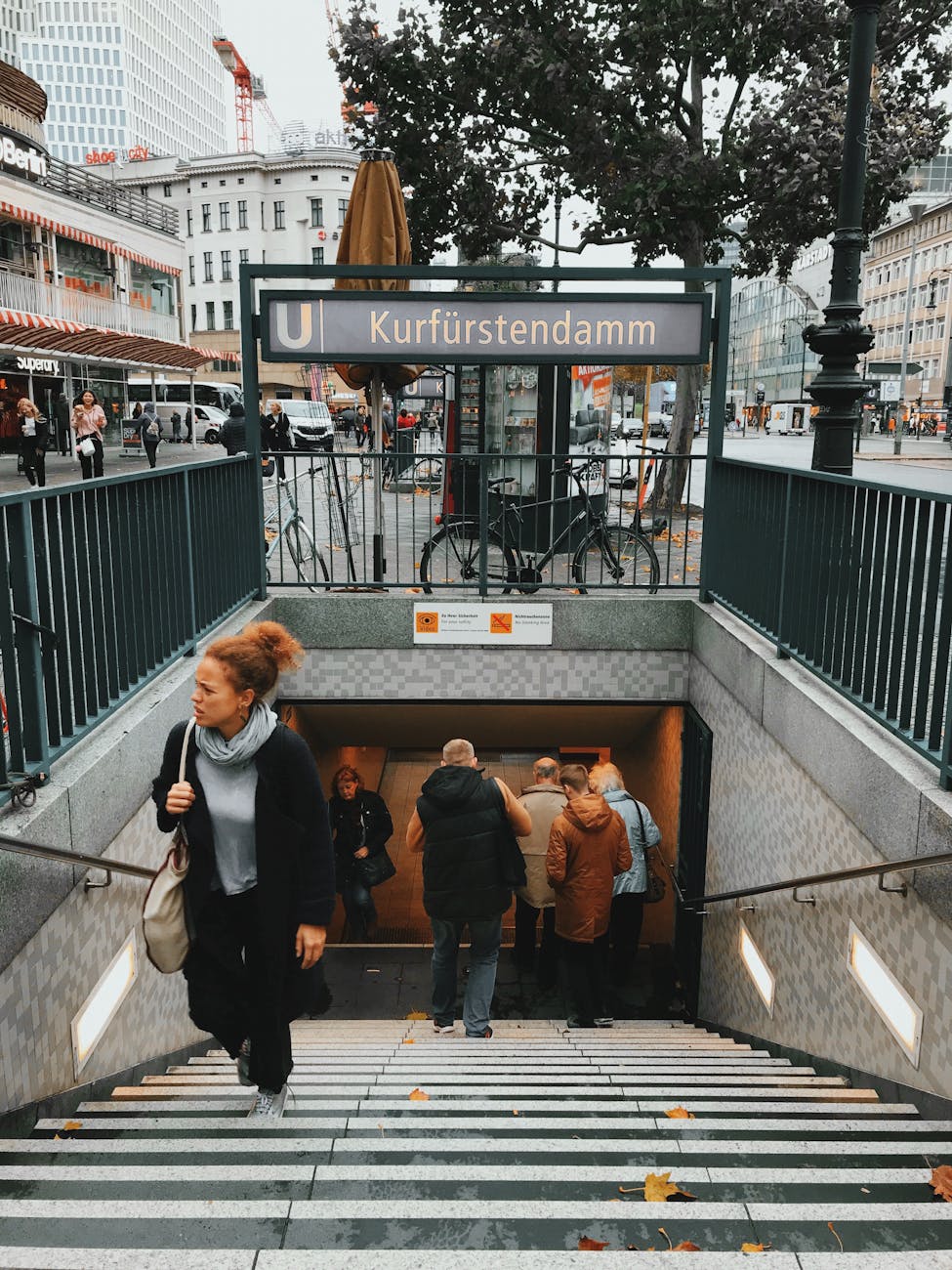
Not the best time to move to Germany
There are many aspects to consider before moving to a new country or city. Right now, though, the list goes beyond the usual considerations like culture, language, lifestyle expectations, or city appeal. We are undergoing powerful transitions in society, technology, and geopolitics that could reshape our perception of the world for a long time. And it’s not just individuals who need to adapt; families, institutions, communities, and companies must also come to terms with what is happening now and what these changes will bring.
Leaving aside the topic of artificial intelligence—which is already having a major impact in ways we can hardly predict—there are other significant forces at play. For instance, there is a noticeable shift toward more conservative and right-wing policies, which are changing how societies think about immigration. In recent years, there was a wave of solidarity and openness toward migrants, but now a more pragmatic and less tolerant narrative is gaining ground. It’s happening so quickly that even people who previously found this kind of mindset unthinkable are now aligning with it.
Further challenges lie ahead
Wars are breaking out in various regions, directly threatening Europe’s stability. The conflict in Ukraine has already had far-reaching consequences, with economic sanctions, energy crises, and shifting military strategies impacting countries across the continent. Meanwhile, China’s booming exports of electric vehicles are challenging Germany’s longstanding dominance in the automotive industry, sending shockwaves throughout Europe. The country that once set the benchmark for car manufacturing is now grappling with the pressure to innovate and stay competitive in a rapidly changing market.
These developments stir up fear, and fear often leads to a desire for strong leadership. This dynamic can pave the way for leaders who use nationalism and populist rhetoric to appeal to people’s insecurities. When a society starts to retreat into itself, valuing national pride over openness, the consequences can ripple through everyday life, influencing social interactions, job opportunities, and even cultural trends.
Here in Berlin, for example, I’ve noticed a shift toward a more conservative mindset. While there are still job opportunities, they are increasingly more accessible to locals or, at the very least, to those who speak the language fluently. The city’s diverse and international reputation is still alive, but the job market is no longer as accommodating to newcomers who lack strong German language skills. As companies face economic uncertainties, they prioritize candidates who can quickly integrate into the workplace culture and communicate seamlessly with customers and colleagues.

Moreover, the country’s economy is struggling to regain its footing amid global challenges. The energy crisis sparked by the war in Ukraine, combined with the disruption of the automotive industry by Chinese competitors, is creating a perfect storm of economic pressure. Inflation remains a concern, with rising living costs eroding the quality of life for many residents. For those considering a move to Germany, especially without a clear professional path or language skills, this might not be the best time to take the leap.
Germany’s situation serves as a reminder that the global landscape is shifting. What was once a relatively predictable place for career growth and stability is now part of a broader trend toward economic protectionism and social conservatism. The conditions that made it an attractive destination are changing, and anyone contemplating relocation should weigh these factors carefully.
It is important to acknowledge the complexity of this topic, as there are many other historical, economic, and social dynamics that I have not addressed here. This post is not an attempt to exhaust the subject but rather a personal reflection to make sense of what’s going on in these uncertain times.
To be continued.